

Nepal’s hydropower opportunity is investable for institutional capital, but only where underwriting is anchored in tariff structure, evacuation certainty, and counterparty discipline rather than resource potential alone. For strategic partners evaluating entry points, the market is now large enough to support selective scale, with Kathmandu functioning as the practical coordination point for diligence, regulatory engagement, and co-investment structuring.
Nepal Hydropower: Market Context and Installed Capacity Trajectory
Nepal has moved from a scarcity narrative to a portfolio-construction question: which projects can convert abundant hydrology into contracted cash flow with export optionality. The addressable market is no longer conceptual. Installed power capacity has risen materially in recent years, with hydropower continuing to dominate the generation mix and public policy increasingly oriented toward transmission build-out and cross-border sales.
For investors, that shift matters because scale changes bankability. A shallow system with limited grid reach creates stranded-generation risk even for technically sound assets. A larger system with deeper interconnection supports more credible dispatch, portfolio balancing across river basins, and better visibility on monetizing wet-season surplus. Nepal’s current trajectory therefore supports a more nuanced investment thesis: not simply build generation, but align generation type, evacuation path, and buyer profile from day one.
The practical implication is that run-of-river assets should be underwritten differently from peaking or reservoir-linked projects. Run-of-river projects often offer lower capex per installed megawatt and shorter construction scope, but they also concentrate output in monsoon periods when domestic absorption can be weakest. Reservoir and peaking assets may command higher upfront capex and more complex permitting, yet they can improve dry-season realization and strengthen portfolio-level revenue quality. Investors allocating from Kathmandu-based operating teams or regional infrastructure platforms should treat that seasonality mismatch as a first-order underwriting variable rather than a footnote.
That also creates a clear adjacency with broader renewables strategy. Institutions exploring a regional clean-energy sleeve may wish to compare Nepal hydropower with solar energy investment themes and the wider Renewable Energy pillar, particularly where portfolio diversification across hydrology, irradiation, and regulatory regimes can reduce basis risk.
PPA Framework and Bankability: NEA Offtake and Sovereign Risk

PPA bankability in Nepal begins with one reality: the Nepal Electricity Authority is the core offtaker, and credit assessment must focus on payment behavior, tariff mechanics, curtailment exposure, and convertibility constraints as much as on the legal form of the contract. A signed PPA is necessary, but on its own it is not sufficient for institutional-grade downside protection.
For lenders and equity co-investors, the principal issue is whether the tariff structure supports debt service through hydrological variability and commissioning slippage. In practice, investors should diligence whether the project benefits from a take-or-pay framework, how wet-season and dry-season tariffs affect blended realization, whether escalation is available, and how force majeure and deemed-generation concepts are drafted. These details drive debt sizing, reserve-account design, and base-case IRR far more than top-line resource estimates.
Offtake risk in Nepal is not just counterparty default risk. It also includes dispatch risk during surplus periods, transmission constraints between plant and substation, and political sensitivity around retail tariffs inside the domestic market. Where the offtaker remains state-linked, sovereign alignment can help preserve payment discipline, but it can also delay tariff reform or create administrative friction around approvals. That is why institutional investors typically price Nepal hydropower as a structured regulatory-credit exposure rather than a pure merchant renewable asset.
From a capital-structure perspective, stronger projects tend to combine contracted domestic revenues with export optionality, conservative gearing during construction, and explicit reserve planning for hydrology and receivables. Projects marketed on aggressive leverage alone are less attractive than those that protect debt-service coverage through realistic generation cases, contingency budgeting, and disciplined EPC oversight. At Millennium Group, we view PPA quality as the hinge variable between nominally attractive capex and genuinely bankable infrastructure cash flow.
Investors should also examine whether project sponsors can manage the interface between regulators, the utility, local lenders, and land or right-of-way processes. That coordination often happens through Kathmandu, where commercial documentation, lender engagement, and public-sector interface are concentrated. A technically robust project can still underperform if sponsor capability at that coordination layer is weak.
Cross-Border Transmission to India: Commercial and Regulatory Pathway
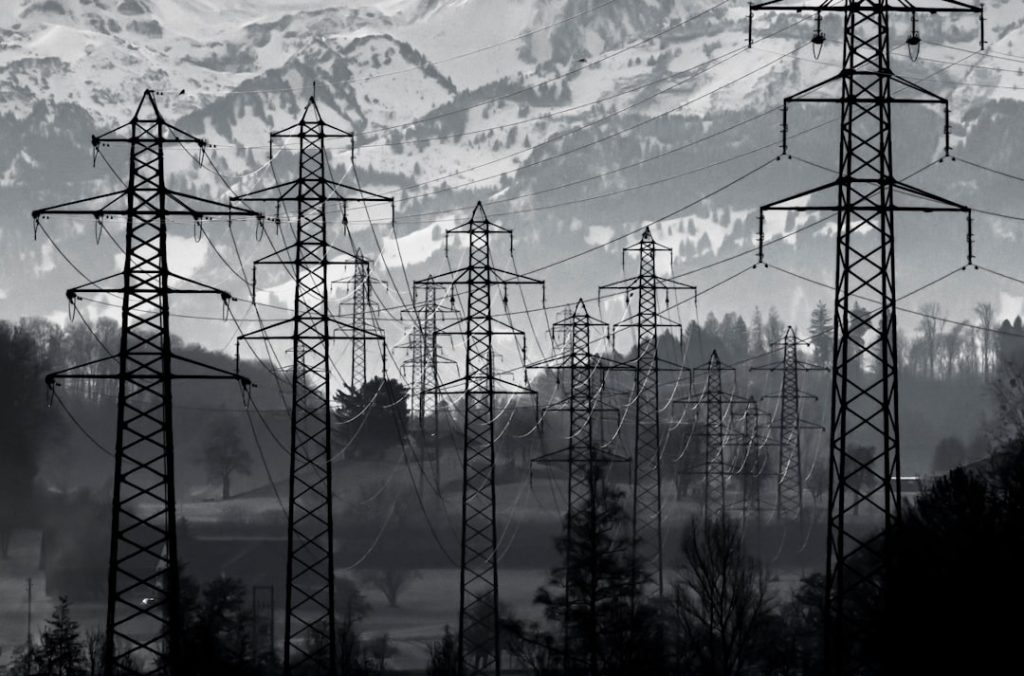
The investment case for larger Nepal hydropower assets increasingly depends on India access. Domestic demand growth is constructive, but exportability is what can absorb monsoon surplus, improve utilization, and support higher-confidence long-term underwriting for assets that would otherwise face seasonal offtake compression.
The pathway is commercially attractive but procedurally exacting. Investors must evaluate not only whether a project can physically evacuate power to the border, but also whether it can secure the required approvals, buyer pathway, and scheduling arrangements within India’s cross-border electricity framework. This shifts diligence from plant-only economics to system economics: substation readiness, interconnection queue position, approved counterparties, and the durability of trade permissions over the expected financing tenor.
| Issue | Institutional underwriting focus |
|---|---|
| Export route to India | Assess whether the project has a credible evacuation path through approved cross-border interconnections and whether transmission capacity is available during peak wet-season output. |
| Regulatory approvals | Confirm timing and conditions for designated-authority approvals, buyer eligibility, and any transaction restrictions that could affect revenue commencement. |
| Commercial structure | Differentiate bilateral sale opportunities from exchange-based sales; each has different price visibility, tenor, and hedging implications. |
| Revenue quality | Model domestic PPA cash flow separately from export cash flow to avoid overstating blended tariffs or dispatch certainty. |
| Transmission basis risk | Stress-test grid outages, congestion, seasonal restrictions, and delay risk at both the Nepal and India interface points. |
For equity investors, the crucial question is whether Indian market access is contractual, repeatable, and financeable, rather than merely politically discussed. Export-linked upside can improve project IRR, but only if it survives stress testing on timing, curtailment, and pricing assumptions. If export permissions remain short-dated while debt tenors are long-dated, projected returns can appear stronger than they are. That mismatch should be treated as a haircut to bankability, not a negotiable sensitivity.
This is also where broader regional infrastructure capability matters. Sponsors and co-investors who already operate across regulated Asian infrastructure tend to navigate cross-border interface risk better than capital providers approaching Nepal as a standalone frontier allocation. Readers assessing adjacent corridor dynamics may also find it useful to review our perspective on infrastructure Nepal, where transport, logistics, and transmission readiness increasingly shape asset-level returns.
If you are evaluating entry into Nepal’s power market and are encountering these underwriting questions, our team at Millennium Group can help structure a mandate-specific review of offtake risk, exportability, and capital-stack design.
Equity Return Profile and Capital Structure for Institutional Investors

Equity returns in Nepal hydropower can be compelling, but only when sponsors resist the temptation to overstate realized tariffs or understate construction and evacuation risk. Institutional capital should target returns on a risk-adjusted basis, with base-case IRR built from contracted revenues, conservative generation assumptions, and explicit delay contingencies.
In practice, return dispersion is wide. Smaller run-of-river projects can show attractive headline IRRs because of lower capex intensity and simpler civil works, yet those same assets may carry greater seasonal revenue volatility and weaker negotiating leverage on transmission timing. Larger projects may absorb higher development and financing costs but offer better portfolio relevance, stronger lender interest, and more credible co-investment pathways for pensions, sovereign allocators, and strategic energy platforms.
The capital structure should therefore be designed around resilience, not just optimization. Key variables include construction-period interest capitalization, local versus foreign currency debt mix, reserve-account sizing, FX convertibility constraints on distributions, and covenant headroom under low-flow cases. Investors should also separate project IRR from equity IRR and assess whether leverage improves returns without pushing debt-service coverage into fragile territory. A project that only works at aggressive gearing is typically a development trade, not a core infrastructure asset.
For co-investors, governance matters as much as return. Reserved matters, reporting frequency, claims management, related-party controls, and dividend waterfalls all affect realized DPI and exit quality. Where family offices or strategic corporates enter alongside a lead sponsor, clarity on information rights and budget approval can materially reduce execution slippage. At Millennium Group, we favor structures where downside protection is embedded before financial close rather than negotiated after variance emerges.
Operational Risk and Mitigation: From EPC to O&M
Execution quality separates acceptable returns from permanent capital impairment in Nepal hydropower. The resource is proven; the harder question is whether sponsors can deliver civil works, electro-mechanical installation, grid connection, and long-term maintenance without eroding the contracted economics that justified investment at approval.
EPC risk is especially material because hydropower schedules are vulnerable to geology, access logistics, monsoon disruption, and contractor coordination failures. Cost overruns can quickly dilute equity IRR if capex contingencies are thin or if interest during construction compounds across delayed commissioning. Institutional investors should review contractor balance-sheet strength, interface risk between civil and electro-mechanical packages, liquidated damages coverage, and the realism of construction timetables rather than relying on sponsor optimism.
Post-commissioning, O&M discipline determines whether modelled availability converts into cash generation. Sedimentation, flood events, turbine wear, and transmission outages can all reduce output. That makes spare-parts planning, hydrological monitoring, insurance quality, and operator capability central to underwriting. Kathmandu remains the natural operating and coordination hub for many sponsors because lender meetings, regulatory interface, and technical oversight resources are concentrated there, even when the assets themselves are in remote river basins.
Investors should also build a mitigation framework around environmental and community interface risk. These are not peripheral ESG disclosures; they can affect schedule, claims, refinancing, and reputational license to operate. A disciplined sponsor treats stakeholder management as part of asset protection.
Co-Investment Opportunities via Kathmandu
The most credible way to access Nepal hydropower is through selective co-investment with sponsors that can manage permitting, utility interface, transmission coordination, and governance from an on-the-ground platform. For many investors, Kathmandu is the operational entry point where relationships, documentation, and execution accountability converge.
That favors partnership models over passive capital deployment. Strategic business partners may enter through development equity, structured minority stakes, holdco-level growth capital, or project-specific co-investments tied to clearly defined milestones. Each route offers a different balance of control, return, and construction exposure. The right structure depends on whether the mandate prioritizes current yield, build-to-core transition, platform creation, or corridor access into wider South Asian power trade.
Millennium Group works with investors who need disciplined screening rather than generalized frontier-market exposure. We can help assess sponsor quality, PPA bankability, export readiness, capital structure, and governance terms before capital is committed. Contact Millennium Group to schedule a dedicated Nepal hydropower investment briefing tailored to your mandate size, target IRR, risk appetite, and preferred co-investment structure.
Frequently Asked Questions
Why does PPA quality matter so much in Nepal hydropower?
Because a project’s revenue certainty depends on tariff mechanics, offtake structure, payment discipline, curtailment exposure, and how well the contract supports debt service through seasonal and construction variability.
How important is India market access for Nepal hydropower returns?
It is increasingly important for larger projects because exportability can improve utilization of wet-season output, reduce domestic surplus risk, and support stronger long-term underwriting if approvals and transmission access are secure.
What should institutional investors stress-test in Nepal hydropower models?
They should stress-test hydrology, commissioning delays, capex overruns, transmission congestion, domestic and export tariff assumptions, leverage levels, reserve accounts, and convertibility or distribution constraints.
Why is Kathmandu relevant for co-investors?
Kathmandu is the practical hub for regulatory engagement, lender coordination, sponsor meetings, documentation, and operating oversight, making it central to diligence and execution even when project sites are remote.
